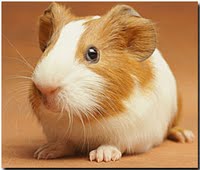
 Guinea pigs have kept as pets for hundreds of years, in Britain alone there are reports of guinea pigs having kept back since the mid 1500's. Many as an “easy” pet view a descendant of the wild guinea pigs of South America, today’s domesticated guinea pig for children.
Many parents select a guinea pig as a first pet for their child, believing a small pet needs only a small quantity of care. It is important to appreciate that these little people have many requirements, together with a roomy cage, specialized diet, daily cleanup, and gentle handling, and that an adult should be the primary caretaker.
Caring for guinea pigs is much easier than caring for some larger pets. Guinea pigs do not need shots or room to run around. They do need more than just a bowl of foodstuff and a cage to live in. Here are some of the greater points of guinea pig care to believe. They are isolated tract dwelling and hardy, quiet, and mild animals that kids can smoothly handle.
The development period is 63 days and the pigs are very superior when they are born. When they are first born, do not handle them too a large amount as this will distress mum and could hold up with their bonding. Guinea pigs are normally healthy and vigorous animals but like all animals there are a long list of ailments and suffering from which they can go through.

Post a Comment
Wednesday, August 26, 2009
First Gene-encoded Amphibian Toxin IsolatedThe first protein based toxin in an amphibian skin has found by China, a 60 amino acid neurotoxin bring into being in the skin of a Chinese tree frog. The result may help get rid of more light into both the progress of amphibians and the growth of poison. While gene-encoded protein toxins have well known in many vertebrate animals, including fish, reptiles and mammals, none has yet originated in amphibians or birds.
The poisonous amphibians, like the steamy poison dart frogs, their toxins are frequently small chemicals like alkaloids that extracted from insects and secreted onto the animal's skin. They purify and characterize this new toxin, which they called anntoxin.
In protein string and makeup, anntoxin was very similar to dendrotoxins and cone snail toxins, though anntoxin only has two-disulfide Bridge compared to three in the other types. The slight difference may version for why anntoxin does not wedge potassium channel as the other venom do, but rather sodium channel important for signal in sensory mental strain.
Like these other venoms, though, anntoxin is fast acting and strong, the researchers found it could create rapid convulsion, paralysis and respiratory sorrow in several would-be predators like snakes and birds.
The similarity and difference make anntoxin a very valuable protein for further study, bearing in mind amphibians' special niche as the animals bridging the evolutionary land-water gap.